Is Ledger Wallet safe for long term crypto storage? Many users ask this question before buying a hardware device. Ledger has been a top name in cold storage since 2014. Understanding its safety requires looking at both hardware and software layers. This analysis covers real hacks, chip security, and user practices.
Ledger devices store private keys offline. They never expose your seed phrase to the internet. Yet no system is 100 percent bulletproof. We will examine known incidents, recovery options, and how to stay protected. Is Ledger Wallet safe depends on your actions too.
How Does Hardware Security Actually Work?
Hardware wallets use a separate chip to sign transactions. This chip is isolated from your computer or phone. Even if your computer has malware, your keys remain inside the device. Understanding this separation is key to answering is Ledger secure for daily use.
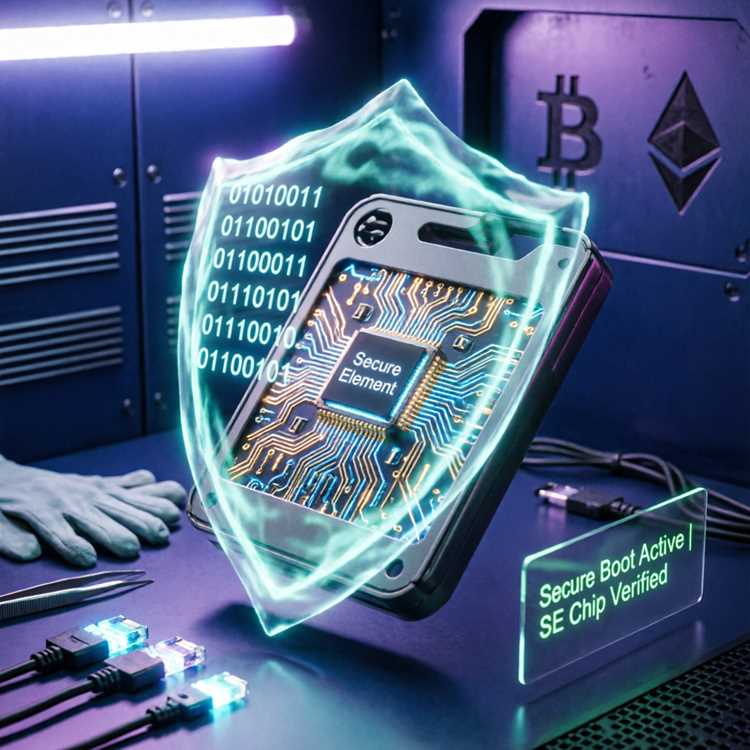
Ledger uses a Secure Element (SE) chip. Banks and passports use the same type of chip. It resists physical tampering and side channel attacks. The SE stores your private keys and handles all signing operations.
Secure Element vs Standard Chip
A standard microcontroller can be hacked with voltage glitches. The Secure Element adds extra layers of protection. It encrypts data internally and wipes itself on tampering attempts. This makes physical extraction nearly impossible.
Ledger’s custom OS, called BOLOS, runs on the SE. BOLOS isolates each app so one dApp cannot access another’s keys. Multiple apps can coexist without risk. This architecture strengthens Ledger safety during multi asset management.
How Private Keys Are Generated
Keys are generated inside the device using a true random number generator. The seed phrase is shown once on the screen. You write it down on paper or metal. Ledger never sees your seed after generation.
This process prevents cloud backups or server leaks. Your seed exists only in your physical possession. That is the core of cold storage security. For a full setup guide, read our Ledger for beginners article.
Has Ledger Ever Been Hacked? A Look at Ledger Hack History
Knowing Ledger hack history helps you judge current risk. Two major incidents stand out: the 2020 data breach and the 2023 Ledger Connect Kit attack. Each reveals different weaknesses.
In July 2020, an ecommerce database was breached. Customer names, emails, and phone numbers were stolen. No private keys or seeds were taken. The attack targeted Ledger’s online store, not the hardware itself.
2020 Data Breach Details
Hackers accessed a marketing API. They extracted contact info from one million customers. This led to phishing emails and SMS scams. Some users received fake “Ledger support” calls.
Ledger patched the vulnerability and improved data security. But the breach damaged trust. Many users asked is Ledger Wallet safe if their personal data is exposed. The answer: your crypto remains secure as long as you ignore phishing attempts.
2023 Ledger Connect Kit Exploit
In December 2023, a malicious version of Ledger’s Connect Kit library was published. This affected dApps using the kit, not physical devices. A hacker injected code that drained funds from users who approved fake transactions.
The exploit lasted about two hours. Ledger pushed a fix quickly. Physical wallets were never compromised. The lesson: always verify dApp transactions on your device screen. Our Ledger honest opinion discusses this incident further.
What Are the Main Ledger Vulnerabilities You Must Know?
Every system has weak points. Ledger vulnerabilities fall into three categories: physical attacks, software flaws, and user errors. The first two are rare. User mistakes cause most losses.
Physical attacks require possession of your device. Attackers can try power analysis or laser fault injection. Ledger’s Secure Element resists these methods. But no chip is unbreakable given enough resources.
Software and Firmware Risks
Firmware updates are signed by Ledger. You must approve them on the device. Malicious updates are unlikely unless you download fake software. Always download Ledger Live from the official site only.
Third party wallets can interact with Ledger via USB or Bluetooth. Bluetooth on the Nano X is encrypted. However, keeping Bluetooth off when not in use reduces attack surface. For model specific differences, see our Ledger model differences page.
User Error: The Biggest Threat
Losing your seed phrase or sharing it leads to total loss. Phishing scams trick users into entering their 24 words on fake websites. No amount of hardware security can protect against a revealed seed.
Store your seed offline on metal or paper. Never take a photo of it. Avoid typing it on any computer. Following these rules makes Ledger safety extremely high for practical use.
Ledger Hardware Security Compared to Other Wallets
Many cold storage options exist. How does Ledger stack up against Trezor, KeepKey, or Tangem? Ledger hardware security relies on the Secure Element, which Trezor (older models) lacks.
Trezor uses a standard microcontroller. It is more vulnerable to physical attacks. Ledger’s SE adds a certified secure enclave. However, Trezor’s code is fully open source, while Ledger’s firmware is partially closed. This trade off matters to some users.
| Feature | Ledger Nano X | Trezor Model T | KeepKey |
|---|---|---|---|
| Secure Element | Yes (ST33) | No | No |
| Open source | Partial | Full | Partial |
| Bluetooth | Yes | No | No |
| Price | $149 | $219 | $49 |
| Supported coins | 5000+ | 1000+ | 40+ |
| Physical tamper resistance | Very high | Moderate | Low |
Choosing a wallet depends on your threat model. For maximum physical security, Ledger leads. For full transparency, Trezor wins. Our Ledger Nano X review provides a deep dive into features.
Is Ledger Trusted Platform for Institutional Use?
Large exchanges and funds use Ledger hardware. Ledger trusted platform status comes from certifications. Ledger has achieved Common Criteria EAL5+ for its Secure Element. This is the same level used in passports and EMV payment chips.
Enterprise customers also use Ledger’s Backup Service. This service encrypts your seed and splits it into fragments. Fragments are stored across multiple secure vaults. You control who can reconstruct your seed.
How the Recovery Service Works
Ledger Recovery is an optional paid plan. It lets you retrieve your seed via three trusted parties. Each party holds one encrypted shard. You need two shards to recover. This is similar to social recovery but with custodians.
Critics argue this introduces a trust vector. Ledger cannot view your shards. But the service does require an ID check. Users who fear government pressure may prefer a simple cold storage backup on steel plates.
Certifications and Audits
Ledger hires third party security firms for audits. The chip design is reviewed by independent labs. Regular bug bounty programs are run on HackerOne. These audits strengthen the Ledger security review 2024 reputation.
No major hardware vulnerability has been found in production chips. All reported bugs have been in software or ecosystem tools. The device itself remains one of the most tested in the industry.
Step by Step: How to Verify Your Ledger Is Genuine
Fake Ledger devices are sold on untrusted marketplaces. Buying from the official store is safest. If you buy second hand, check authenticity with these steps.
- Check the holographic seal on the box. It should show a distinctive pattern when tilted.
- Connect the device to Ledger Live. The app will verify the device’s authenticity. It uses a certificate signed by Ledger.
- Power on the device. A genuine Ledger shows a welcome screen and asks you to choose a PIN. Fake devices often have pre set PINs or skip setup.
- If the device fails any check, return it. Do not use it. Your keys could be compromised.
Always purchase directly from Ledger for beginners recommended stores. Avoid eBay or unknown sellers. This single step avoids many Ledger vulnerabilities related to supply chain attacks.
Common Myths About Ledger Wallet Safety
Many misconceptions exist. Let us address them with facts. Is Ledger secure if it has Bluetooth? Yes, Bluetooth uses encrypted channels. The key never leaves the device.
Another myth: Ledger can freeze your funds. Ledger has no control over blockchain transactions. Your coins are on the chain, not in the wallet. The device only signs what you approve.
- Myth: Ledger stores your seed online. Fact: Your seed is generated on the device and never sent to Ledger servers. The optional Recovery Service stores encrypted shards, not plain text seeds.
- Myth: The 2020 data breach means crypto was stolen. Fact: No crypto was taken. Only personal data was exposed. Your assets remained safe if you did not fall for phishing.
- Myth: Ledger devices can be hacked remotely. Fact: No remote hack of a Ledger device has ever been proven. Physical access is required for any attack.
Reading our Ledger Stax review shows the latest model also follows these security principles. Myths often arise from misunderstanding how cold storage works.
Comparing Ledger Models: Which One Suits Your Needs?
Ledger offers three main models: Nano S Plus, Nano X, and Stax. Each has different features. Price, coin capacity, and connectivity vary. Ledger model differences matter for your use case.
Nano S Plus is the most affordable. It holds up to 100 apps. No Bluetooth, only USB. Ideal for beginners who do not need mobile connectivity. Our affordable crypto wallet guide covers it in detail.
| Model | Price | Bluetooth | Screen | App Capacity |
|---|---|---|---|---|
| Nano S Plus | $79 | No | Monochrome | ~100 |
| Nano X | $149 | Yes | Monochrome | ~100 |
| Stax | $279 | Yes | E Ink touch | ~100 |
Nano X is the most popular. It adds Bluetooth for app connectivity on mobile. Stax features a larger E Ink screen and a curved design. All models use the same Secure Element chip. Security is identical across the lineup.
Using a device as a crypto portfolio manager is seamless with any model. Ledger Live handles transaction tracking and swapping.
Frequently Asked Questions About Ledger Wallet Safety

These answers are based on official documentation and community feedback. They summarize the main points of Ledger safety rating and user concerns.
Can Ledger be hacked without physical access?
No. All known vulnerabilities require the attacker to have the device in hand. Firmware updates are signed and verified. Remote hacking has not been demonstrated.
What happens if I lose my Ledger?
Your crypto is safe if your seed phrase is secure. Buy a new Ledger or use any BIP39 compatible wallet. Enter your 24 words to restore access. Without the seed, your funds are lost forever.
Is Ledger Recovery a security risk?

Ledger Recovery introduces a trust model. Three shards are held by three separate custodians. Ledger cannot access the seed without your ID verification. For most users, it is safe. For maximum privacy, use a self managed backup.
Are Ledger wallets safe from quantum computers?
Quantum attacks are not a current threat. Ledger plans to support post quantum algorithms in future firmware. Today, your crypto is safe from classical attacks. Upgrade when the update arrives.
Understanding is Ledger Wallet safe comes down to your threat model. For everyday hodling and trading, it is one of the most secure options available. Combine it with good seed storage and regular firmware updates. Your assets will remain protected.